
La comunidad mundial de jugadores de Battle Royale para dispositivos móviles vive uno de sus momentos de mayor expectación. Durante las últimas semanas, numerosas filtraciones y rumores han generado un gran revuelo en redes sociales, foros especializados y canales de YouTube ante una posible colaboración que podría convertirse en uno de los acontecimientos más destacados de Free Fire en 2026: Dragon Ball Z x Free Fire. Dataminers, creadores de contenido y jugadores llevan meses siguiendo de cerca las novedades y posibles pistas encontradas en versiones de prueba para descubrir qué estaría preparando Garena.
Para los aficionados que esperan conocer todos los detalles de esta posible colaboración, la expectación no deja de crecer. Las especulaciones apuntan a la incorporación de elementos inspirados en el universo de Dragon Ball Z, aunque es importante diferenciar entre la información filtrada y los anuncios oficiales. Los jugadores interesados en mantenerse actualizados también pueden consultar www.brosolutions.xyz/ para encontrar novedades, actualizaciones y consejos relacionados con videojuegos.
Garena cuenta con una amplia experiencia realizando colaboraciones entre Free Fire y reconocidas franquicias de anime. En el pasado, el juego ha presentado eventos relacionados con series como Naruto, Demon Slayer y One Punch Man, además de otras colaboraciones que han conseguido captar la atención de millones de jugadores. Por ello, una posible alianza con Dragon Ball Z ha despertado un interés especialmente elevado entre la comunidad.
La importancia de Dragon Ball Z va mucho más allá de una simple colaboración. La obra de Akira Toriyama se ha convertido en una de las franquicias de anime más influyentes de varias generaciones, con personajes tan populares como Goku, Vegeta, Gohan y Trunks. Su posible llegada al universo de Free Fire podría ofrecer una combinación única entre el estilo Battle Royale y algunos de los elementos más reconocibles de la saga.
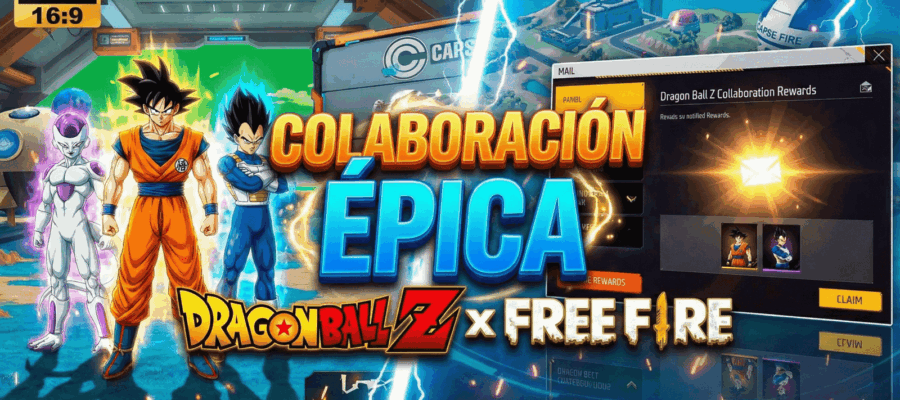
En este artículo repasaremos todo lo que se conoce sobre Dragon Ball Z x Free Fire, incluyendo las posibles fechas de lanzamiento, novedades esperadas, recompensas, aspectos cosméticos y otros contenidos que podrían formar parte del evento. También analizaremos qué información procede de filtraciones y qué aspectos todavía deben ser confirmados oficialmente por Garena.
Fecha de Lanzamiento: ¿Cuándo Llegará Dragon Ball Z a Free Fire?
Una de las preguntas que más interés genera entre los jugadores de Free Fire es cuándo llegarán Goku y los demás Guerreros Z al popular Battle Royale. Aunque Garena suele mantener en secreto los detalles de sus grandes colaboraciones hasta poco antes de su lanzamiento, las filtraciones de la comunidad y los patrones habituales de actualización del juego han comenzado a generar diferentes teorías sobre una posible fecha.
Después del lanzamiento de la actualización OB52, la atención de los jugadores se ha centrado en las próximas versiones del juego. De acuerdo con información compartida por filtradores y miembros de la comunidad, Dragon Ball Z x Free Fire podría estar relacionado con la actualización OB54, cuya llegada se ha situado de forma estimada alrededor del 24 de junio de 2026. Sin embargo, esta fecha debe considerarse una referencia basada en filtraciones y especulaciones hasta que Garena publique una confirmación oficial.
El periodo de verano también podría ser una oportunidad estratégica para una colaboración de esta magnitud. Free Fire suele aprovechar determinadas temporadas y grandes celebraciones para presentar eventos especiales capaces de atraer tanto a jugadores habituales como a nuevos usuarios. Una colaboración con Dragon Ball Z tendría un enorme potencial debido al reconocimiento mundial de personajes como Goku, Vegeta, Gohan y Trunks.
Antes del lanzamiento de la actualización principal, también podrían aparecer pistas relacionadas con el evento en el Servidor Avanzado de Free Fire. En este tipo de versiones de prueba suelen descubrirse nuevas funciones, objetos cosméticos, eventos y otros contenidos antes de que lleguen a los servidores oficiales. Por esta razón, los jugadores y creadores de contenido estarán especialmente atentos a cualquier referencia relacionada con Dragon Ball Z.
¿Los Jugadores Necesitarán Diamantes?
Si finalmente se confirma la colaboración, es probable que parte del contenido especial esté disponible mediante eventos, recompensas y sistemas que podrían requerir diamantes. Las grandes colaboraciones de Free Fire suelen incluir artículos cosméticos y objetos exclusivos que despiertan un gran interés entre los coleccionistas.
Por ello, los jugadores que quieran conseguir determinados contenidos deberían mantenerse atentos a los anuncios oficiales y evitar gastar sus diamantes antes de conocer las condiciones definitivas del evento. También conviene recordar que las fechas, recompensas y mecánicas filtradas pueden cambiar antes del lanzamiento oficial.
Para conocer las últimas novedades sobre Dragon Ball Z x Free Fire, las fechas del Servidor Avanzado y las posibles características del evento, puedes consultar fuentes especializadas como www.brosolutions.xyz/ y, sobre todo, verificar cualquier información importante en los canales oficiales de Garena.
Qué Podemos Esperar de la Colaboración? Skins y Personajes Míticos
Uno de los mayores atractivos de cualquier colaboración de Free Fire son los contenidos cosméticos exclusivos, y una posible alianza con Dragon Ball Z ha elevado las expectativas de la comunidad. En lugar de limitarse a pequeños accesorios inspirados en el anime, los jugadores esperan que Garena prepare paquetes completos capaces de transformar la apariencia de los personajes con diseños basados en algunos de los héroes más reconocidos de la saga.
Aunque todavía no todos estos contenidos han sido confirmados oficialmente, las especulaciones apuntan a que el evento podría incluir skins, bundles, accesorios, emotes, efectos especiales y otros objetos temáticos. La incorporación de personajes emblemáticos del universo creado por Akira Toriyama permitiría a los jugadores llevar parte de la estética de Dragon Ball Z directamente al campo de batalla.
El Paquete de Goku y sus Posibles Transformaciones
Goku sería, naturalmente, uno de los personajes con mayor protagonismo dentro de una posible colaboración entre Dragon Ball Z y Free Fire. El protagonista de la saga cuenta con una enorme popularidad entre los aficionados al anime, por lo que una skin basada en su apariencia clásica podría convertirse rápidamente en uno de los artículos más buscados del evento.
Entre los rumores de la comunidad se menciona una posible versión de Goku con su característico uniforme naranja y azul, inspirado en su apariencia durante Dragon Ball Z. También se ha especulado con la posibilidad de que Garena prepare una versión especial relacionada con el Super Saiyajin, aunque estos detalles deberían considerarse rumores hasta que exista una confirmación oficial.
Una skin de este tipo podría incorporar efectos visuales relacionados con la transformación, como un aura dorada, animaciones especiales o efectos reactivos durante las partidas. Incluso existe especulación sobre sistemas que podrían hacer que determinados efectos cambien según las eliminaciones conseguidas por el jugador.
Sin embargo, por el momento, estas características no deben presentarse como definitivas. La información procedente de filtraciones puede modificarse, eliminarse o incluso no llegar a formar parte de la versión final del evento. Por ello, los jugadores deberán esperar a los anuncios oficiales de Garena para conocer exactamente qué skins y transformaciones estarán disponibles.
Si la colaboración finalmente incluye diferentes versiones de Goku y efectos inspirados en sus transformaciones, podría convertirse en uno de los contenidos cosméticos más llamativos de Free Fire en 2026, especialmente entre los jugadores que también son seguidores de Dragon Ball Z.
El Príncipe de los Saiyajin: Vegeta
Vegeta sería otro de los personajes más esperados por los jugadores en una posible colaboración entre Dragon Ball Z y Free Fire. Como uno de los Guerreros Z más populares, el Príncipe de los Saiyajin tendría un gran potencial para protagonizar una skin exclusiva, especialmente con su característica armadura de combate inspirada en algunas de sus apariciones más reconocidas de la saga.
Entre las especulaciones de la comunidad también se ha planteado la posibilidad de que su contenido esté disponible mediante sistemas habituales de Free Fire, como eventos especiales, Torre de Tokens u otros métodos de obtención. No obstante, Garena todavía tendría que confirmar oficialmente el formato de adquisición y las recompensas definitivas.
En cuanto a los efectos visuales, una posible skin de Vegeta podría incorporar animaciones inspiradas en sus técnicas más conocidas, como el Big Bang Attack, además de efectos de energía y un aura característica de los Saiyajin. Estos elementos podrían hacer que el personaje destaque tanto durante las partidas como en el lobby.
Si el evento incluye contenido exclusivo de Vegeta, los jugadores interesados en conseguirlo deberían administrar cuidadosamente sus recursos y esperar a conocer las condiciones oficiales antes de realizar cualquier gasto. Mantenerse informado sobre las novedades y posibles eventos de Dragon Ball Z x Free Fire también permitirá aprovechar mejor las oportunidades disponibles dentro del juego.
Los Villanos: Freezer y Majin Buu
Una colaboración de Dragon Ball Z con Free Fire no estaría completa sin algunos de los villanos más memorables de la franquicia. Personajes como Freezer y Majin Buu han conseguido una enorme popularidad entre los seguidores de la saga, por lo que su posible incorporación al evento sería una de las novedades que más llamaría la atención de la comunidad.
Freezer en su forma final podría convertirse en una de las skins más llamativas del evento gracias a su diseño elegante y fácilmente reconocible. Su apariencia podría adaptarse al estilo visual de Free Fire mediante un paquete de aspecto completo, acompañado de efectos especiales inspirados en sus poderes y técnicas características. Esto lo convertiría en una opción especialmente atractiva para quienes prefieren jugar con personajes de apariencia más agresiva.
Por otro lado, Majin Buu aportaría una personalidad completamente diferente. Su diseño más robusto y su particular sentido del humor podrían dar lugar a una skin con un estilo más divertido y nostálgico. También sería interesante que Garena incorporara animaciones o emotes exclusivos que hicieran referencia a algunos de los momentos más recordados del personaje.
Por ahora, la presencia de Freezer y Majin Buu debe considerarse parte de las especulaciones y rumores de la comunidad, hasta que Garena confirme oficialmente los personajes y contenidos que formarán parte de la colaboración. Si finalmente ambos villanos llegan a Free Fire, podrían convertirse en algunas de las skins más buscadas por los coleccionistas y seguidores de Dragon Ball Z.
Emotes, Animaciones y Habilidades Especiales
La posible colaboración entre Dragon Ball Z y Free Fire podría ir mucho más allá de las skins y los paquetes de personajes. Uno de los aspectos que más expectativas está generando entre los jugadores son los emotes, animaciones y efectos especiales inspirados en las técnicas más famosas del anime. Si los rumores terminan haciéndose realidad, el evento podría ofrecer algunas de las animaciones más llamativas vistas hasta ahora en Free Fire.
Uno de los contenidos más esperados sería un emote inspirado en el Kamehameha, la icónica técnica de Goku. Las especulaciones apuntan a que podría incluir una animación en la que el personaje adopte la postura característica y genere una intensa energía azul antes de lanzar el ataque. Un efecto de este estilo tendría un gran atractivo visual, especialmente para los jugadores que quieran recrear algunas de las escenas más memorables de Dragon Ball.
También se ha hablado de posibles emotes basados en técnicas como el Final Flash de Vegeta y la Fusión. En el caso de esta última, existe la posibilidad de que pudiera diseñarse como una animación interactiva entre jugadores, aunque este tipo de característica todavía no ha sido confirmada oficialmente. Si llegara a implementarse, podría convertirse en uno de los contenidos sociales más divertidos del evento, especialmente en el lobby o durante los momentos previos a una partida.
Vehículos y Elementos Temáticos
La temática de Dragon Ball Z también podría extenderse a otros elementos visuales de Free Fire. Uno de los rumores más interesantes es la posible incorporación de la Nube Voladora, conocida como Kintoun, como elemento cosmético para representar el desplazamiento de los jugadores. Su diseño amarillo y su estela característica encajarían perfectamente con la estética del anime.
Los Gloo Walls también podrían recibir diseños especiales relacionados con Dragon Ball. Entre las ideas que circulan en la comunidad aparecen decoraciones inspiradas en la Escuela Tortuga, así como diseños relacionados con Shenlong, el famoso dragón que concede deseos. Estos elementos permitirían personalizar aún más la experiencia de juego sin modificar necesariamente las mecánicas principales del Battle Royale.
Otro posible contenido serían las mochilas evolutivas inspiradas en Dragon Ball, que podrían comenzar con un diseño basado en una cápsula de Capsule Corp. y cambiar de apariencia a medida que aumentara su nivel, llegando incluso a incorporar elementos relacionados con el Radar del Dragón.
Por el momento, estos contenidos deben considerarse rumores o posibles filtraciones, ya que Garena tendría que confirmar oficialmente qué emotes, animaciones, vehículos, Gloo Walls y accesorios estarán disponibles. Aun así, la variedad de posibilidades demuestra por qué una colaboración entre Dragon Ball Z y Free Fire genera tanta expectación entre los jugadores.
Impacto en la Jugabilidad: La Búsqueda de las Esferas del Dragón
Una colaboración de la magnitud de Dragon Ball Z x Free Fire podría ir mucho más allá de las skins, emotes y accesorios cosméticos. En anteriores eventos temáticos, Garena ha utilizado diferentes recursos para modificar temporalmente la experiencia de juego, por lo que la comunidad espera que una posible colaboración con Dragon Ball también incluya nuevas dinámicas dentro de las partidas.
Una de las especulaciones más llamativas relacionadas con la actualización OB54 gira en torno a un posible evento basado en las siete Esferas del Dragón. De acuerdo con los rumores que circulan entre los jugadores, estas esferas podrían aparecer como objetos especiales durante las partidas de Battle Royale, posiblemente distribuidas en diferentes zonas de mapas conocidos como Bermuda, Purgatorio o Kalahari.
¿Cómo Funcionaría la Búsqueda de las Siete Esferas?
La posible mecánica podría centrarse en encontrar y reunir las siete Esferas del Dragón durante una partida. Los jugadores tendrían que explorar distintas áreas del mapa y competir contra otros equipos para conseguirlas, convirtiendo la búsqueda en un objetivo secundario de gran importancia estratégica.
Una vez reunidas todas las esferas, los jugadores podrían tener que dirigirse a un punto especial del mapa para activar el evento. Los rumores incluso plantean una espectacular secuencia relacionada con Shenlong, acompañada de cambios visuales en el cielo y una animación especial de invocación.
Las posibles recompensas también han generado especulación. Entre las teorías de la comunidad aparecen objetos especiales, suministros exclusivos, ventajas temporales e incluso recompensas capaces de cambiar el desarrollo de una partida. Sin embargo, no existe confirmación oficial de que estas recompensas concretas vayan a formar parte del juego, por lo que deben tomarse únicamente como posibilidades.
Si una mecánica de este tipo llegara a implementarse, podría tener un impacto importante en la estrategia de los equipos. Las zonas donde aparezcan las esferas o los puntos utilizados para completar el evento podrían convertirse rápidamente en áreas de combate, obligando a los jugadores a decidir entre buscar recursos tradicionales o arriesgarse para conseguir una recompensa especial.
Nuevas Zonas Inspiradas en Dragon Ball
Además de las posibles mecánicas, también se espera que una colaboración de este nivel pueda introducir cambios visuales en determinados lugares del mapa. Una de las ideas que más interés ha despertado entre los aficionados es la posible aparición de la Casa del Maestro Roshi, conocida como Kame House, en alguna zona del escenario.
Si Garena incorporara este lugar, podría convertirse en un punto de interés para los jugadores y esconder diferentes referencias o easter eggs relacionados con Dragon Ball. Detalles como estos no solo enriquecerían la ambientación, sino que también ofrecerían a los fanáticos la oportunidad de explorar el mapa en busca de pequeños homenajes a la franquicia.
En definitiva, si los rumores sobre Dragon Ball Z x Free Fire terminan convirtiéndose en realidad, el evento podría aportar mucho más que nuevos cosméticos. La incorporación de actividades relacionadas con las Esferas del Dragón, zonas temáticas y objetivos especiales tendría el potencial de modificar temporalmente la forma en que los jugadores exploran, rotan y combaten dentro del mapa.
Cómo Prepararse para el Gran Evento de Dragon Ball Z x Free Fire
Si la colaboración entre Dragon Ball Z y Free Fire finalmente se confirma, prepararse con anticipación podría ser una buena estrategia para aprovechar al máximo sus contenidos. Los grandes eventos suelen incluir misiones, recompensas gratuitas, objetos exclusivos y artículos cosméticos que pueden requerir tiempo o recursos para conseguirlos. Por eso, conocer previamente las novedades puede ayudar a los jugadores a organizar mejor sus diamantes y su tiempo dentro del juego.
Una de las mejores formas de prepararse es mantenerse informado sobre las actualizaciones y los anuncios relacionados con Free Fire OB54. También será importante prestar atención a la disponibilidad del Servidor Avanzado, ya que esta plataforma permite a determinados jugadores probar algunas novedades antes de su lanzamiento general. La disponibilidad, las fechas de registro y los contenidos de prueba dependen de Garena y pueden variar entre actualizaciones.
Los jugadores que tengan acceso al Servidor Avanzado podrán familiarizarse con las posibles novedades antes de que lleguen a los servidores principales. Esto podría ser especialmente útil si la colaboración incorpora nuevas mecánicas, cambios en determinadas zonas del mapa o actividades relacionadas con las Esferas del Dragón. Conocer estos elementos con antelación permitiría desarrollar mejores estrategias y adaptarse más rápidamente a cualquier cambio.
También es recomendable administrar los diamantes y otros recursos del juego con responsabilidad. Antes de gastar, conviene esperar a conocer las recompensas oficiales, los métodos para obtener cada objeto y la duración de los eventos. De esta manera, los jugadores podrán decidir qué contenidos realmente les interesan y evitar gastar recursos innecesariamente.
Mantente Informado Sobre las Recompensas
Las colaboraciones importantes de Free Fire suelen incluir diferentes tipos de recompensas, desde artículos cosméticos hasta misiones y objetos gratuitos. Si Dragon Ball Z llega oficialmente al juego, podrían aparecer contenidos temáticos como paracaídas, banners, avatares, emotes, tickets de Luck Royale y otros accesorios, aunque estos elementos deberán ser confirmados por Garena.
Para seguir las novedades, fechas y posibles cambios relacionados con Dragon Ball Z x Free Fire, puedes consultar www.brosolutions.xyz/ junto con los canales oficiales de Garena. Comparar la información de diferentes fuentes es especialmente importante cuando se trata de filtraciones, ya que los contenidos descubiertos antes del lanzamiento pueden cambiar o no llegar a la versión final.En definitiva, la mejor preparación consiste en mantenerse informado, administrar los recursos y esperar las confirmaciones oficiales. De esta forma, estarás preparado para aprovechar las novedades del evento si finalmente Dragon Ball Z llega a Free Fire.
Tabla Resumen: Rumores vs. Confirmaciones Oficiales
Para entender mejor qué información sobre Dragon Ball Z x Free Fire está respaldada y cuál procede de filtraciones o especulaciones de la comunidad, es importante separar los posibles contenidos de las confirmaciones oficiales. La siguiente tabla resume los principales rumores y el nivel de expectativa asociado a cada uno.
| Característica | Estado Actual / Expectativa | Detalles |
|---|---|---|
| Fecha de lanzamiento | Rumor / Fecha estimada | La actualización OB54 se ha relacionado con una posible llegada a finales de junio de 2026, aunque Garena debe confirmar la fecha oficialmente. |
| Skins principales | Rumor basado en filtraciones | Goku, Vegeta y Freezer aparecen entre los personajes mencionados por la comunidad. También se especulan posibles transformaciones y efectos especiales. |
| Mecánica del mapa | Especulación | Se ha planteado un posible sistema basado en la recolección de las siete Esferas del Dragón y una eventual invocación de Shenlong. |
| Emotes interactivos | Posibilidad / Rumor | Podrían aparecer emotes inspirados en técnicas como el Kamehameha, el Final Flash y otros elementos reconocibles de Dragon Ball. |
| Elementos del mapa | Especulación | Algunos rumores apuntan a zonas o estructuras inspiradas en lugares emblemáticos de Dragon Ball, aunque no existe confirmación oficial. |
| Acceso anticipado | Depende del programa oficial | El Servidor Avanzado de Free Fire suele permitir probar determinadas novedades antes del lanzamiento general. Las fechas y condiciones dependen de cada actualización. |
| Recompensas gratuitas | Posibilidad | Podrían incluirse misiones y recompensas temáticas, pero los objetos concretos deberán confirmarse mediante los canales oficiales de Garena. |
¿Qué Información Debes Tomar Como Oficial?
Es importante tener en cuenta que las filtraciones de Free Fire pueden cambiar antes del lanzamiento definitivo. Los archivos encontrados por dataminers pueden revelar contenido en desarrollo, pero esto no significa necesariamente que todos esos elementos vayan a estar disponibles en la versión final.
Por ello, cualquier fecha, skin, personaje, recompensa o mecánica relacionada con Dragon Ball Z x Free Fire debe considerarse provisional hasta que Garena publique una confirmación oficial. Esta distinción permite evitar información engañosa y ayuda a los jugadores a saber qué novedades están realmente confirmadas y cuáles continúan siendo rumores de la comunidad.
Frequently Asked Questions
¿Cuándo llegará Dragon Ball Z a Free Fire?
La posible colaboración entre Dragon Ball Z y Free Fire se ha relacionado con la actualización OB54 y una fecha estimada para finales de junio de 2026. Sin embargo, la fecha definitiva debe ser confirmada oficialmente por Garena.
¿Qué personajes de Dragon Ball Z podrían llegar a Free Fire?
Entre los personajes mencionados en las filtraciones y rumores de la comunidad aparecen Goku, Vegeta y Freezer. También se ha especulado con la presencia de otros personajes, aunque todavía no existe una lista oficial definitiva.
¿Goku tendrá una skin de Super Saiyajin?
Los rumores apuntan a que podría existir una skin de Goku inspirada en su transformación de Super Saiyajin, posiblemente acompañada de efectos especiales. Este contenido debe considerarse especulativo hasta recibir una confirmación oficial.
¿Habrá skins de Vegeta y Freezer?
Vegeta y Freezer se encuentran entre los personajes que más se mencionan en las posibles filtraciones de la colaboración. De confirmarse, podrían recibir paquetes de aspecto y efectos inspirados en sus apariencias originales de Dragon Ball Z.
Dónde puedo consultar las últimas novedades de Dragon Ball Z x Free Fire?
Puedes seguir las novedades a través de los canales oficiales de Garena Free Fire y consultar sitios especializados como www.brosolutions.xyz/. Es recomendable comparar las filtraciones con fuentes oficiales para distinguir entre rumores y contenido confirmado.
Conclusión
La posible colaboración Dragon Ball Z x Free Fire ha generado una enorme expectación entre los jugadores, especialmente por los rumores sobre Goku, Vegeta, Freezer, nuevos emotes, elementos temáticos y posibles cambios en la jugabilidad. Aunque varias de estas novedades han sido mencionadas en filtraciones y especulaciones de la comunidad, todavía es fundamental esperar las confirmaciones oficiales de Garena antes de considerar cualquier detalle como definitivo.
Si el evento llega con las características que se han comentado, podría convertirse en una de las colaboraciones más llamativas de Free Fire en 2026. Mientras tanto, los jugadores pueden prepararse administrando sus recursos, siguiendo las actualizaciones y consultando información confiable para conocer las fechas, recompensas y novedades cuando sean anunciadas oficialmente.En definitiva, Dragon Ball Z x Free Fire tiene todos los ingredientes para convertirse en un evento memorable. Solo queda esperar los anuncios oficiales de Garena para descubrir qué sorpresas llegarán finalmente al campo de batalla.
