

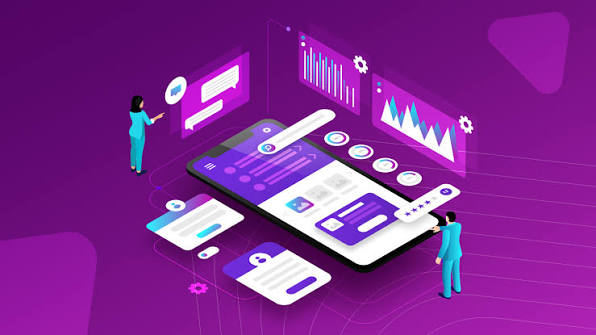
The way people interact with digital services has changed dramatically over the past decade. Smartphones have become the primary device for browsing the internet, shopping online, managing finances, communicating with businesses, and accessing entertainment. As a result, organizations across industries have shifted their focus toward creating mobile-friendly experiences that deliver speed, convenience, and accessibility.
If you would like to learn more, visit https://bos88link.it.com/ for additional information.
The rapid growth of mobile technology has encouraged businesses to rethink how they design websites, applications, and digital platforms. Today, users expect seamless experiences regardless of the device they are using. Companies that prioritize mobile optimization are better positioned to satisfy customer expectations, improve engagement, and remain competitive in an increasingly digital marketplace.
Understanding Mobile-Friendly Digital Services
Mobile-friendly digital services are websites, applications, and online platforms specifically designed to function efficiently on smartphones and tablets. Rather than simply shrinking desktop layouts, these services adapt intelligently to different screen sizes while maintaining excellent usability.
Responsive design allows content to automatically adjust based on the user’s device. Navigation becomes simpler, buttons are easier to tap, text remains readable, and images scale appropriately. These improvements create an enjoyable experience that encourages users to stay longer and interact more frequently.
Modern consumers value convenience above all else. Whether they are booking appointments, paying bills, shopping online, or accessing educational content, they expect fast-loading pages and intuitive interfaces.
The Shift Toward Mobile-First Design
Many organizations now adopt a mobile-first design philosophy. Instead of designing for desktop computers first and then adapting for smaller screens, developers begin with the mobile experience before expanding features for larger displays.
This strategy ensures that essential content remains easily accessible while eliminating unnecessary complexity. A clean interface often leads to higher customer satisfaction because users can quickly accomplish their goals without confusion.
Mobile-first design also encourages developers to optimize performance by reducing excessive graphics, minimizing unnecessary code, and improving loading speeds.
Why Mobile Optimization Matters
A mobile-friendly website benefits both users and businesses in numerous ways.
Improved User Experience
A positive user experience increases customer satisfaction. Visitors are more likely to return when websites are responsive, easy to navigate, and visually appealing on mobile devices.
Faster Performance
Speed plays a significant role in user retention. Slow-loading websites often lead visitors to leave before content fully appears. Mobile optimization improves loading times through compressed images, efficient coding, and better resource management.
Better Accessibility
People access digital services from different devices, operating systems, and internet connections. Responsive websites accommodate this diversity, making information available to a broader audience.
Increased Customer Engagement
Interactive features such as live chat, quick forms, simplified navigation, and personalized recommendations become more effective when optimized for mobile users.
Industries Benefiting from Mobile-Friendly Services
Nearly every industry has embraced mobile technology to improve customer experiences.
E-Commerce
Online retailers have invested heavily in mobile shopping experiences. Customers can browse products, compare prices, read reviews, complete secure payments, and track orders directly from their smartphones.
Features such as one-click purchasing, mobile wallets, and personalized recommendations have significantly improved shopping convenience.
Banking and Finance
Mobile banking applications allow users to transfer funds, pay bills, monitor transactions, and manage investments without visiting physical branches.
Security enhancements like biometric authentication and two-factor verification provide additional protection while maintaining convenience.
Healthcare
Healthcare providers increasingly offer mobile appointment scheduling, virtual consultations, prescription management, and access to medical records.
Telemedicine has expanded healthcare accessibility, especially for patients living in remote locations.
Education
Educational institutions and online learning platforms provide mobile access to courses, assignments, video lectures, quizzes, and collaboration tools.
Students appreciate the flexibility of learning whenever and wherever it suits their schedules.
Entertainment
Streaming platforms, gaming services, music applications, and digital publishing companies have optimized their content for smartphones, enabling uninterrupted entertainment on the go.
Essential Features of Mobile-Friendly Digital Services
Successful mobile platforms share several important characteristics.
Responsive Layout
Content automatically adjusts to different screen sizes while preserving readability and usability.
Fast Loading Speed
Optimized images, efficient coding practices, browser caching, and content delivery networks help reduce loading times.
Simple Navigation
Clear menus, intuitive icons, and organized page structures allow users to locate information quickly.
Secure Transactions
Encryption, secure payment gateways, and strong authentication measures help protect user information during online transactions.
Touch-Friendly Design
Buttons, links, and forms are designed for easy interaction using fingers instead of a mouse.
The Role of Artificial Intelligence
Artificial intelligence has become a valuable component of mobile-friendly digital services.
AI-powered chatbots provide instant customer support around the clock. Recommendation systems analyze user preferences to deliver personalized content and product suggestions. Voice assistants help users complete tasks using natural language commands.
Machine learning algorithms also improve fraud detection, enhance cybersecurity, and optimize customer experiences based on behavioral patterns.
Cloud Technology and Mobile Services
Cloud computing has transformed the way digital services operate.
Instead of storing information solely on local devices, cloud infrastructure enables users to securely access their data from virtually anywhere with an internet connection.
Businesses benefit from improved scalability, reduced infrastructure costs, automatic updates, and enhanced reliability. Users enjoy seamless synchronization across multiple devices.
Security Remains a Priority
As mobile usage continues to grow, cybersecurity has become increasingly important.
Organizations implement various security measures including:
- Data encryption
- Multi-factor authentication
- Secure application development
- Regular software updates
- Fraud monitoring systems
- Privacy protection policies
Educating users about safe browsing practices also contributes to stronger digital security.
Challenges Facing Mobile Digital Services
Although mobile technology offers numerous advantages, businesses still face several challenges.
Device compatibility remains a significant concern because users access services through many different smartphones, operating systems, and screen sizes.
Network conditions also vary considerably. Applications must continue functioning efficiently even under slower internet connections.
Privacy regulations require organizations to collect and process user information responsibly while maintaining transparency about data usage.
Finally, customer expectations continue to evolve rapidly, requiring businesses to update their platforms regularly.
Emerging Technologies Shaping the Future
Several technologies are expected to further enhance mobile-friendly digital services.
5G Networks
Faster internet speeds and lower latency enable smoother streaming, quicker downloads, and improved cloud-based applications.
Augmented Reality
Retailers increasingly use augmented reality to allow customers to virtually try products before making purchases.
Internet of Things
Smart devices connected through the Internet of Things create integrated digital ecosystems where users can control appliances, vehicles, and home security systems using mobile applications.
Digital Wallets
Cashless transactions continue expanding through secure mobile payment platforms that simplify everyday purchases.
Best Practices for Businesses
Organizations seeking to improve their mobile presence should focus on several key principles.
Prioritize responsive design from the beginning of development. Optimize website speed by reducing unnecessary files and compressing media. Keep navigation simple and intuitive while minimizing the number of steps required to complete important actions.
Regular testing across multiple devices ensures consistent performance. Businesses should also collect user feedback and analyze behavioral data to identify opportunities for continuous improvement.
Accessibility should never be overlooked. Mobile services should accommodate users with varying abilities through readable typography, sufficient color contrast, and compatibility with assistive technologies.
Conclusion
Mobile-friendly digital services have become an essential part of modern life. Consumers increasingly rely on smartphones to complete everyday activities, making responsive design, fast performance, and secure digital experiences more important than ever.
Organizations that invest in mobile optimization benefit from greater customer satisfaction, stronger engagement, improved accessibility, and increased competitiveness. As technologies such as artificial intelligence, cloud computing, 5G connectivity, and augmented reality continue to evolve, mobile digital services will become even more sophisticated and personalized.
The future belongs to businesses that place users at the center of every digital experience. By embracing innovation while maintaining simplicity, security, and accessibility, organizations can build mobile platforms that meet changing customer expectations and remain successful in the years ahead.
