

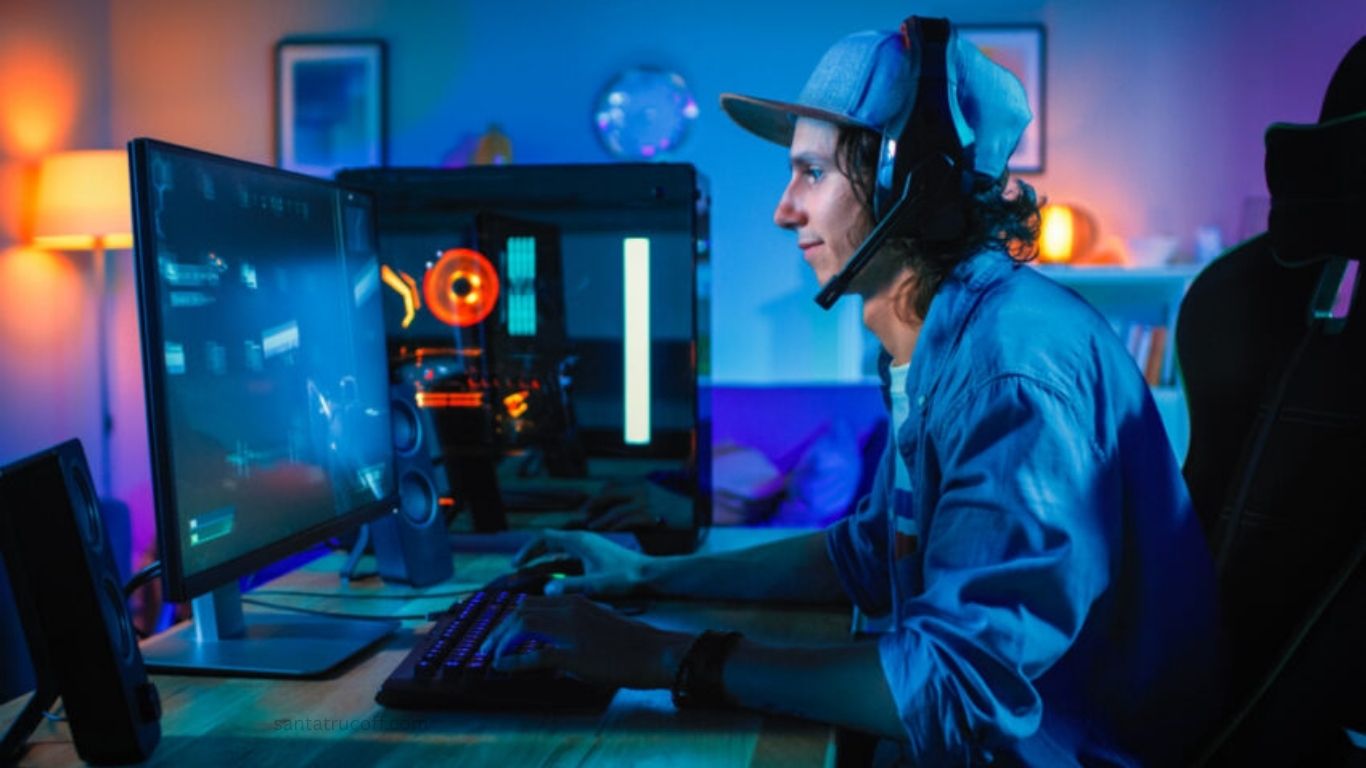
Fast-paced digital world, gaming has evolved from a casual pastime to a competitive sport. Whether you’re an aspiring esports player or a casual gamer aiming to dominate your favorite games, improving your gaming skills requires more than luck. In this comprehensive guide, we will explore practical strategies, tips, and techniques to enhance your gaming performance and achieve your full potential.
Why Improving Gaming Skills Matters
Gaming isn’t just about entertainment. Competitive gaming, also known as esports, has become a billion-dollar industry where skill and strategy are paramount. Improving your gaming skills offers several benefits:
- Enhanced reaction time and coordination
- Better decision-making and strategic thinking
- Increased chances of winning in competitive games
- Greater enjoyment and satisfaction from gameplay
Understanding the importance of skill improvement is the first step in transforming your gaming experience.
Assess Your Current Gaming Level
Before you start improving, it’s essential to evaluate your current skill level. Assessing your strengths and weaknesses can help you develop a targeted improvement plan. Consider the following:
- Analyze your win/loss ratio: Tracking performance in games helps identify areas needing improvement.
- Identify weak points: Are your reflexes slow? Do you struggle with strategy? Pinpointing weak areas allows focused practice.
- Compare with peers: Observing skilled players in your community can provide benchmarks for your growth.
Once you understand where you stand, you can create a structured plan to level up your skills.
Choose the Right Gaming Setup
Your gaming environment and equipment play a crucial role in skill development. Investing in the right setup can make a noticeable difference in your performance.
Hardware Considerations
- High-performance PC or console: Ensure your system meets or exceeds the game’s requirements to avoid lag.
- Quality monitor: A monitor with high refresh rates (120Hz or above) can improve reaction time.
- Responsive keyboard and mouse: Mechanical keyboards and high-DPI mice provide precision.
- Comfortable controller: Ergonomically designed controllers reduce strain during long gaming sessions.
Software and Tools
- Game optimization software: Tools like NVIDIA GeForce Experience or AMD Radeon Software can boost performance.
- Communication apps: Discord and Teamspeak enhance team coordination in multiplayer games.
- Performance tracking tools: Use apps to track in-game stats and analyze progress over time.
A well-equipped gaming setup ensures you’re not held back by technical limitations.
Master the Basics
Every expert gamer starts with mastering the basics. Core skills form the foundation for more advanced techniques.
- Understanding game mechanics: Learn how your game functions, including rules, controls, and objectives.
- Practice core skills: Focus on aiming, movement, and timing for shooters, or macro/micro-management for strategy games.
- Learn from tutorials: Professional players often share strategies and tutorials online. These can shorten your learning curve.
Solid foundational knowledge allows you to perform consistently under pressure.
Develop Strategic Thinking
Gaming is not just about reflexes; it’s about strategy. Developing strategic thinking can significantly enhance your performance.
- Analyze opponents: Observe enemy patterns and exploit weaknesses.
- Plan ahead: Anticipate in-game events and prepare strategies accordingly.
- Adaptability: Be flexible and adjust strategies based on changing circumstances.
- Map awareness: Knowing the game environment gives you an edge over less-aware players.
Strategic thinking separates casual players from competitive professionals.
Enhance Reaction Time and Reflexes
Reaction time is a critical factor in competitive gaming. Faster reflexes can make the difference between winning and losing.
- Practice regularly: Consistent gameplay improves hand-eye coordination.
- Play reflex-based games: Rhythm games or fast-paced shooters can boost reaction speed.
- Use training apps: Tools like Aim Lab or Kovaak’s FPS aim trainer refine precision.
- Maintain physical fitness: Hand-eye coordination and reaction time benefit from regular exercise.
Improved reflexes translate directly into better performance in high-pressure scenarios.
Improve Focus and Mental Resilience
Gaming requires mental sharpness and resilience, especially during long sessions or competitive tournaments.
- Mindfulness and meditation: Techniques improve focus, reduce stress, and enhance decision-making.
- Set goals: Clear objectives provide motivation and structure to your practice.
- Take breaks: Short breaks prevent burnout and maintain peak performance.
- Positive mindset: Viewing losses as learning opportunities strengthens resilience.
Mental preparation is just as important as mechanical skill.
Practice Efficiently
Random practice without focus rarely leads to improvement. Implementing structured practice routines can accelerate skill growth.
- Daily practice schedule: Consistency is key—practice at least 1–2 hours daily.
- Drill weaknesses: Target your weakest skills rather than only playing for fun.
- Simulate competitive scenarios: Practice under tournament-like conditions to build confidence.
- Analyze performance: Review gameplay footage to identify mistakes and areas for improvement.
Efficient practice maximizes the time you spend improving your skills.
Learn from Professional Gamers
Professional gamers are a treasure trove of knowledge. Observing and learning from them can inspire and teach valuable techniques.
- Watch streams and tournaments: Pay attention to strategies, decision-making, and movement.
- Follow professional guides: Many esports pros share tips through blogs and YouTube channels.
- Join online communities: Participate in forums and social media groups to exchange knowledge.
- Mentorship: Connect with skilled players who can provide personalized feedback.
Learning from experts accelerates your journey to mastery.
Optimize Gaming Habits
Good habits contribute to long-term improvement. Conversely, bad habits can hinder progress.
- Healthy gaming schedule: Avoid long, uninterrupted sessions that can cause fatigue.
- Nutrition and hydration: Proper diet and hydration support cognitive function and reflexes.
- Sleep: Adequate rest enhances memory retention, reaction time, and decision-making.
- Ergonomics: Proper posture reduces the risk of injury and maintains comfort during gaming.
Sustainable habits ensure you improve without sacrificing health.
Leverage Technology for Skill Improvement
Modern technology offers numerous tools to enhance gaming skills.
- VR training: Virtual reality games can improve spatial awareness and reflexes.
- AI coaching: AI-driven analysis tools provide personalized feedback on gameplay.
- Stat tracking apps: Platforms like Overwolf track in-game statistics to monitor progress.
- Simulation software: Replicating in-game scenarios helps refine strategies and reactions.
Using technology smartly can give you an edge over competitors relying solely on raw practice.
Track Your Progress
Measuring progress is essential for continuous improvement.
- Set measurable goals: Example: “Increase headshot accuracy by 10% in one month.”
- Keep a gaming journal: Record achievements, mistakes, and insights.
- Review performance analytics: Use tools to track improvement trends over time.
- Adjust strategies accordingly: Regular assessment allows you to refine practice methods.
Progress tracking keeps you motivated and focused on growth.
Join Competitive Communities
Engaging with competitive communities can accelerate improvement and provide valuable feedback.
- Online tournaments: Participate in local or global competitions to test skills.
- Discord and Reddit communities: Exchange tips and strategies with like-minded gamers.
- Team-based gameplay: Collaborating with teammates builds coordination and strategic thinking.
- Networking: Connect with other players for mentorship and support.
A strong gaming community offers opportunities for learning, collaboration, and recognition.
Frequently Asked Questions
What is the fastest way to improve gaming skills?
The fastest way to improve gaming skills is through focused and consistent practice. Identify your weak points, use training tools like aim trainers or strategy simulators, watch professional gameplay, and implement structured practice routines. Combining these methods with proper mental and physical preparation accelerates improvement.
How often should I practice to improve my gaming performance?
For noticeable improvement, aim to practice 1–2 hours daily, focusing on both mechanical skills (aiming, reflexes, movement) and strategic skills (decision-making, map awareness). Short, consistent practice sessions are often more effective than long, irregular sessions.
Does physical fitness affect gaming skills?
Yes! Hand-eye coordination, reflexes, and mental focus benefit from regular physical activity. Exercises that improve reaction time, concentration, and posture can directly enhance in-game performance.
Can watching professional gamers improve my skills?
Absolutely. Observing professional players helps you learn advanced strategies, positioning, and decision-making techniques. Analyzing their gameplay allows you to implement proven tactics in your own matches.
Are mental skills important for gaming improvement?
Yes. Focus, resilience, and strategic thinking are essential for competitive gaming. Techniques like mindfulness, goal-setting, and maintaining a positive mindset help you stay sharp and make better in-game decisions.
Conclusion
Improving gaming skills requires a holistic approach that combines technical ability, strategic thinking, mental resilience, and efficient practice. By assessing your current level, mastering the basics, leveraging technology, and learning from professionals, you can elevate your gameplay and enjoy long-term success in any game.Remember, gaming is both an art and a science—consistent practice, focus, and a willingness to learn are your ultimate weapons for improvement.
