

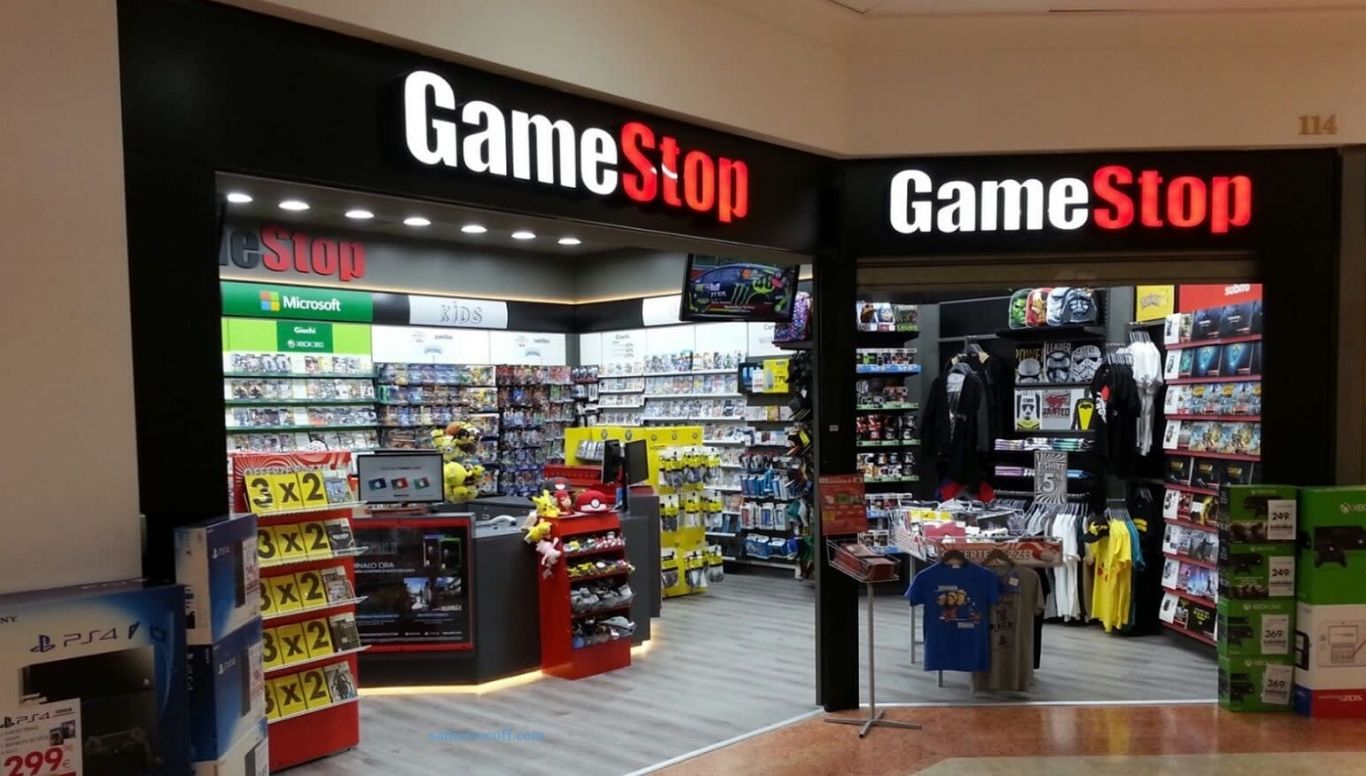
GameStop has long been synonymous with the video gaming industry. Established in the 1980s as a small software retailer, it grew into a global chain, becoming a cornerstone for gamers seeking the latest titles, consoles, and accessories. Beyond its role as a retailer, GameStop has become a cultural phenomenon, especially in recent years due to the stock market frenzy surrounding its shares. This article delves into the history, business model, challenges, and future prospects of GameStop, providing a comprehensive view of the company and its impact on gaming and investment communities.
The Origins of GameStop
Founded in 1984 under the name Babbage’s in Dallas, Texas, GameStop started as a software retailer catering to the burgeoning home computer market. The company rebranded to GameStop in 1999 after merging with Software Etc. Over the next two decades, GameStop expanded aggressively across the United States and internationally, positioning itself as the go-to destination for video game enthusiasts.
Early Business Model
GameStop’s early success was driven by a unique business model that combined physical retail presence with trade-in programs. Players could not only purchase new and pre-owned games but also trade in older titles for store credit, fostering customer loyalty and increasing repeat visits.
Expansion and Global Reach
By the mid-2000s, GameStop had become the largest video game retailer in the world. With thousands of stores in North America, Europe, and Australia, the company solidified its reputation as a one-stop shop for gamers. Partnerships with major console manufacturers like Sony, Microsoft, and Nintendo further cemented its market dominance.
GameStop’s Product Portfolio
GameStop’s offerings extend beyond video games. The retailer sells consoles, gaming accessories, collectibles, and digital products.
Video Games
From blockbuster titles like Call of Duty and FIFA to niche indie games, GameStop provides a comprehensive selection for every type of gamer. The retailer also offers exclusive editions and pre-order bonuses, driving foot traffic to its stores.
Consoles and Accessories
GameStop is a key partner for console launches, often offering bundles and special promotions. The store stocks popular consoles such as the PlayStation, Xbox, and Nintendo Switch, along with controllers, headsets, and other gaming peripherals.
Collectibles and Merchandise
In recent years, GameStop has diversified into collectibles, trading cards, and gaming merchandise. This includes Funko Pop figures, collectible card games like Pokémon and Magic: The Gathering, and limited-edition items, tapping into the growing gaming lifestyle market.
GameStop’s Digital Transformation
The rise of digital downloads and online marketplaces challenged GameStop’s traditional brick-and-mortar model. Recognizing the need to adapt, the company embarked on a digital transformation strategy.
E-Commerce and Online Sales
GameStop invested heavily in its online store, offering digital game downloads, in-store pickup, and nationwide shipping. The e-commerce platform also includes loyalty programs and personalized recommendations, enhancing the customer experience.
Gaming Community Engagement
The company has leveraged social media and online forums to engage with its audience. Through events, promotions, and interactive content, GameStop aims to build a community that transcends physical retail.
Trade-In and Subscription Services
GameStop’s trade-in program remains a cornerstone of its business, encouraging sustainable gaming habits while generating revenue. Additionally, subscription services like Game Informer and memberships offer perks and discounts, incentivizing customer retention.
The GameStop Stock Saga: A Cultural Phenomenon
In early 2021, GameStop became the center of a historic stock market event. Reddit communities, particularly r/WallStreetBets, fueled a short squeeze that drove the company’s stock price to unprecedented levels.
The Short Squeeze Explained
Hedge funds had heavily shorted GameStop, betting on a decline in its stock price due to declining brick-and-mortar sales. Retail investors coordinated online to buy shares, creating a surge in demand that forced short sellers to cover their positions, driving the stock even higher.
Media Attention and Cultural Impact
The GameStop stock saga captured global attention, symbolizing the power of retail investors and social media in financial markets. It sparked debates about market regulation, corporate governance, and the influence of online communities on traditional finance.
Challenges Facing GameStop
Despite its iconic status, GameStop faces significant challenges in the rapidly evolving gaming industry.
Decline of Physical Retail
The shift toward digital downloads and cloud gaming reduces the demand for physical game copies. Competitors like Amazon and digital storefronts such as Steam, PlayStation Store, and Xbox Marketplace provide gamers with convenient alternatives.
Changing Consumer Behavior
Younger gamers increasingly favor online purchases, streaming, and subscription-based models. GameStop must adapt to attract this demographic without alienating its traditional customer base.
Supply Chain and Inventory Management
Global supply chain disruptions, especially for consoles, have posed logistical challenges. Ensuring sufficient inventory during high-demand periods remains critical for sustaining sales.
GameStop’s Strategic Initiati
To stay relevant, GameStop has implemented several strategic initiatives aimed at growth and modernization.
Diversification into Tech and E-Commerce
GameStop has explored selling consumer electronics, PC gaming products, and mobile accessories. The expansion into e-commerce allows the company to compete more effectively with online giants.
Partnerships and Collaborations
Collaborations with major gaming companies and esports organizations aim to strengthen GameStop’s brand presence. Special events, tournaments, and exclusive merchandise partnerships help maintain customer engagement.
NFT and Blockchain Ventures
GameStop has shown interest in blockchain technology and NFTs, exploring opportunities to integrate digital collectibles into its ecosystem. This positions the company at the forefront of emerging trends in gaming and digital assets.
The Future of GameStop
GameStop’s future depends on its ability to adapt to industry shifts while maintaining its brand identity.
Embracing Digital Gaming
Investing in cloud gaming, digital distribution, and online subscriptions will be critical. Expanding digital offerings alongside traditional retail can create a hybrid model that appeals to a broad audience.
Strengthening Community and Loyalty
GameStop can leverage its loyal customer base by enhancing rewards programs, hosting exclusive events, and fostering online communities. Engaging gamers beyond transactions builds long-term brand loyalty.
Innovation and Market Positioning
Exploring emerging technologies such as virtual reality (VR), augmented reality (AR), and AI-driven gaming experiences can differentiate GameStop in a competitive landscape. Strategic innovation ensures the company remains relevant to modern gamers.
Frequently Asked Questions
What is GameStop?
GameStop is a leading video game retailer that sells new and pre-owned video games, consoles, accessories, and collectibles. Established in 1984, it has grown into a global brand serving millions of gamers worldwide.
Where are GameStop stores located?
GameStop operates thousands of stores across the United States, Europe, and Australia. You can find your nearest store using the store locator on the official GameStop website.
Can I trade in my old games at GameStop?
Yes, GameStop has a trade-in program that allows you to exchange pre-owned games, consoles, and accessories for store credit or cash. Trade-ins help gamers save money on new purchases.
Does GameStop have an online store?
Yes, GameStop has a robust e-commerce platform where customers can purchase games, consoles, accessories, and collectibles. The website also offers in-store pickup and nationwide shipping.
How can I get GameStop membership benefits?
GameStop offers a PowerUp Rewards program that provides discounts, exclusive offers, and points for purchases. Membership tiers include free and paid options, with added perks for premium members.
Conclusion
GameStop is more than a retailer; it is a cultural icon that has shaped the gaming industry and influenced financial markets. While facing challenges from digital disruption and changing consumer habits, the company’s adaptability, strategic initiatives, and loyal community provide a strong foundation for future growth. By embracing technology, diversifying offerings, and strengthening its brand, GameStop can continue to thrive in an evolving gaming landscape.
