

Free Fire has cemented itself as one of the most competitive mobile battle royale games, with millions of players globally striving to improve their performance. One of the most critical factors that separate good players from great ones is sensitivity settings. With the rapid evolution of gameplay mechanics and the introduction of new features, knowing the best Free Fire sensitivity 2026 is essential for dominating your matches.In this article, we’ll explore the ultimate sensitivity settings for 2026, tailored for various playstyles, devices, and aiming preferences. Whether you’re a seasoned veteran or a beginner looking to improve, this guide is your roadmap to consistent wins.
Why Sensitivity Settings Matter in Free Fire
Before diving into specific numbers, it’s important to understand why sensitivity settings are crucial. Sensitivity in Free Fire determines how quickly your character or crosshair reacts to touch inputs. This directly affects your aim, shooting accuracy, and movement efficiency.
- Faster response time: Higher sensitivity allows for quicker camera movements, which is useful in close-range combat.
- Precision aiming: Lower sensitivity provides more control for sniping and long-range shooting.
- Consistency: Customizing sensitivity according to your device ensures smoother gameplay and reduces fatigue during long sessions.
Understanding Free Fire Sensitivity Types
Free Fire offers multiple sensitivity settings that can be customized individually, each serving a different purpose in gameplay. General sensitivity controls overall camera and crosshair movement, making it essential for smooth navigation. Red dot sensitivity is used when aiming with red dot sights, helping players track fast-moving enemies efficiently in close- to mid-range encounters. The 2x scope sensitivity is ideal for mid-range sniping, providing a balance between speed and precision. For longer-range engagements, the 4x scope sensitivity reduces camera speed to improve shot accuracy, while AWM scope sensitivity is designed for long-range sniping, requiring careful control to land precise shots with rifles such as the AWM. Optimizing each of these sensitivity types is key to mastering Free Fire in 2026.
Best Free Fire Sensitivity 2026: Recommended Settings
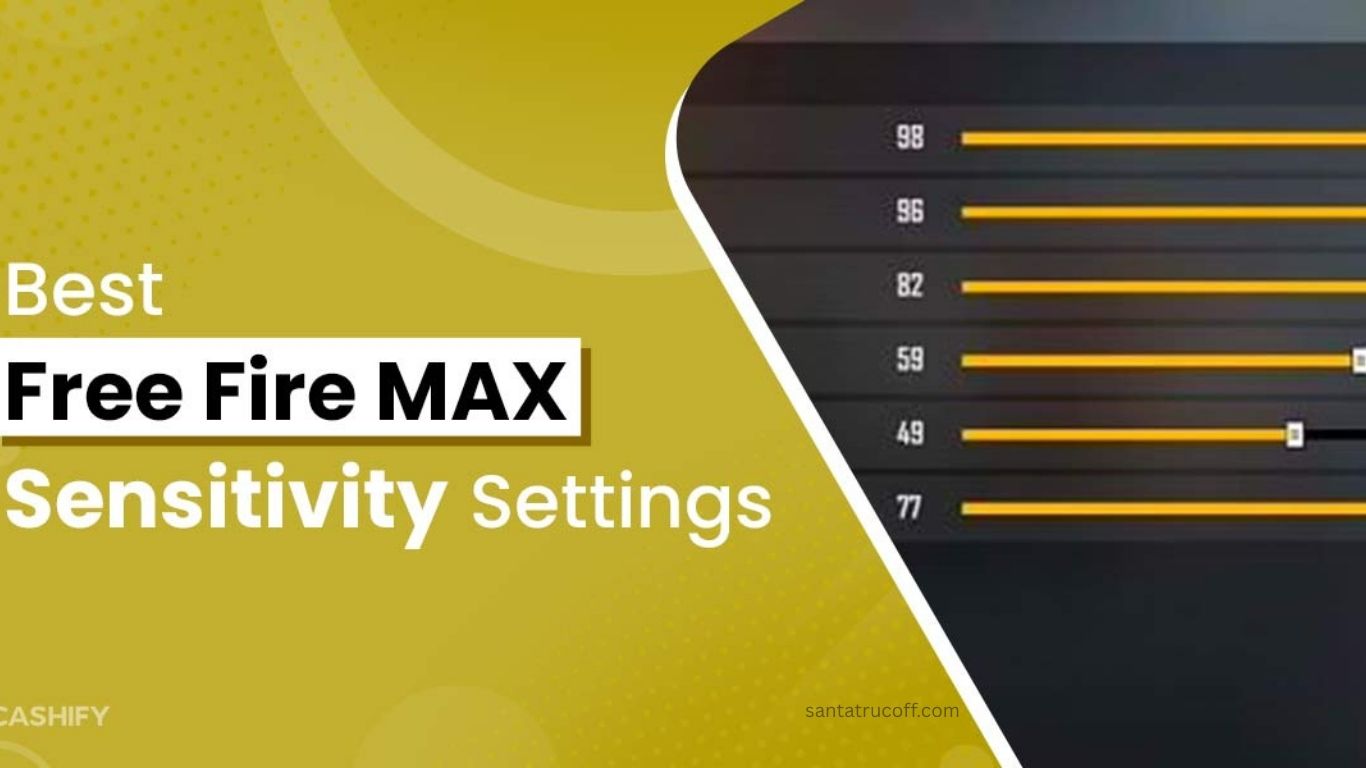
After extensive testing and feedback from professional players, the recommended general sensitivity for 2026 ranges from 85 to 90. This ensures a responsive and fast camera movement without compromising accuracy. Red dot sight sensitivity should be set between 90 and 95 to allow smooth tracking of close-range opponents, while the 2x scope works best at 75 to 80 for balanced mid-range aiming. For longer distances, 4x scope sensitivity should be adjusted to 60 to 65 to improve precision, and AWM scope sensitivity is ideal between 50 and 55, giving snipers the control needed for accurate long-range shots. These numbers serve as a starting point, and minor adjustments may be necessary depending on your personal preferences and device performance.
Tips to Optimize Sensitivity in Free Fire 2026
Adjusting sensitivity alone won’t magically improve your gameplay. Spend time in the training grounds testing your settings, gradually making small changes to find the sweet spot. Always consider your device, as screen size and touch response significantly impact how sensitivity feels during gameplay. Match your sensitivity to your playstyle: aggressive players often benefit from higher general sensitivity for faster reactions, while defensive players may prefer lower scope sensitivity for controlled aiming. Consistency is key, so avoid frequent changes to maintain muscle memory, and always pair your sensitivity settings with an optimized control layout for maximum performance.
Advanced Sensitivity Techniques for Pro Players
Professional players often employ advanced techniques to fully leverage their sensitivity settings. Drag shooting involves smoothly dragging your finger while firing to improve accuracy in close-range encounters. Quick scoping combines moderate scope sensitivity with fast reflexes to land precise mid-range shots, while flick shots benefit from higher general sensitivity, allowing rapid target acquisition. Custom training drills in the game’s practice grounds are also crucial, helping build muscle memory and improving accuracy over time. Implementing these techniques alongside optimized sensitivity can significantly elevate your performance.
Common Mistakes When Setting Free Fire Sensitivity
Even experienced players sometimes make mistakes that hinder their gameplay. Setting sensitivity too high may cause over-shooting targets, while extremely low sensitivity results in sluggish aim. Ignoring device performance is another common issue, as different devices handle touch inputs and frame rates differently. Frequently changing sensitivity disrupts muscle memory and makes aiming inconsistent. Additionally, testing solely in training grounds without real-match practice can lead to inaccurate adjustments. Avoiding these mistakes ensures faster improvement and smoother gameplay.
Sensitivity Settings for Different Devices
Device performance also influences how sensitivity should be configured. High-end devices can handle higher sensitivity thanks to faster touch response and smoother frame rates. Mid-range devices generally perform best with moderate sensitivity to prevent over-shooting and lag, while low-end devices benefit from slightly lower sensitivity to maintain control and reduce the effect of device lag. Adjusting sensitivity based on your device ensures optimal performance and a consistent gaming experience.
The Impact of Sensitivity on Competitive Gameplay
For players aiming to compete professionally or participate in tournaments, sensitivity settings are crucial. Properly optimized sensitivity allows players to react faster to ambushes and gunfights, land more headshots, improve movement efficiency, and maintain a consistent win rate. Professional players continuously tweak their sensitivity to adapt to gameplay updates and meta shifts, making it a core component of competitive strategy in 2026.
Frequently Asked Questions
Can these settings be used on any device
Yes, they serve as universal starting points though minor adjustments may be needed based on screen size and touch response
How often should sensitivity be changed
Adjust only when performance drops or after a major update since frequent changes can harm muscle memory
Is higher sensitivity always better
Not necessarily Higher sensitivity improves reaction time but can reduce accuracy if overused, making balance essential
Does sensitivity affect sniping
Absolutely Lower scope sensitivity improves precision for long-range shots, especially with rifles like the AWM
Can sensitivity settings improve close-range combat
Yes Higher general and red dot sensitivity allow faster tracking of opponents and smoother movement during close fights
Conclusion
Mastering the best Free Fire sensitivity settings in 2026 can dramatically elevate your gameplay, giving you the precision, speed, and control needed to outsmart opponents. While the ideal settings may vary slightly based on personal preference, experimenting with DPI, camera, and scope sensitivities allows every player to find their perfect balance. By optimizing your sensitivity, practicing consistently, and adapting to in-game scenarios, you can transform your performance from average to pro-level. Stay updated with the latest trends, fine-tune your controls, and let your reflexes shine—2026 is the year to dominate the battlefield with confidence and finesse.
