

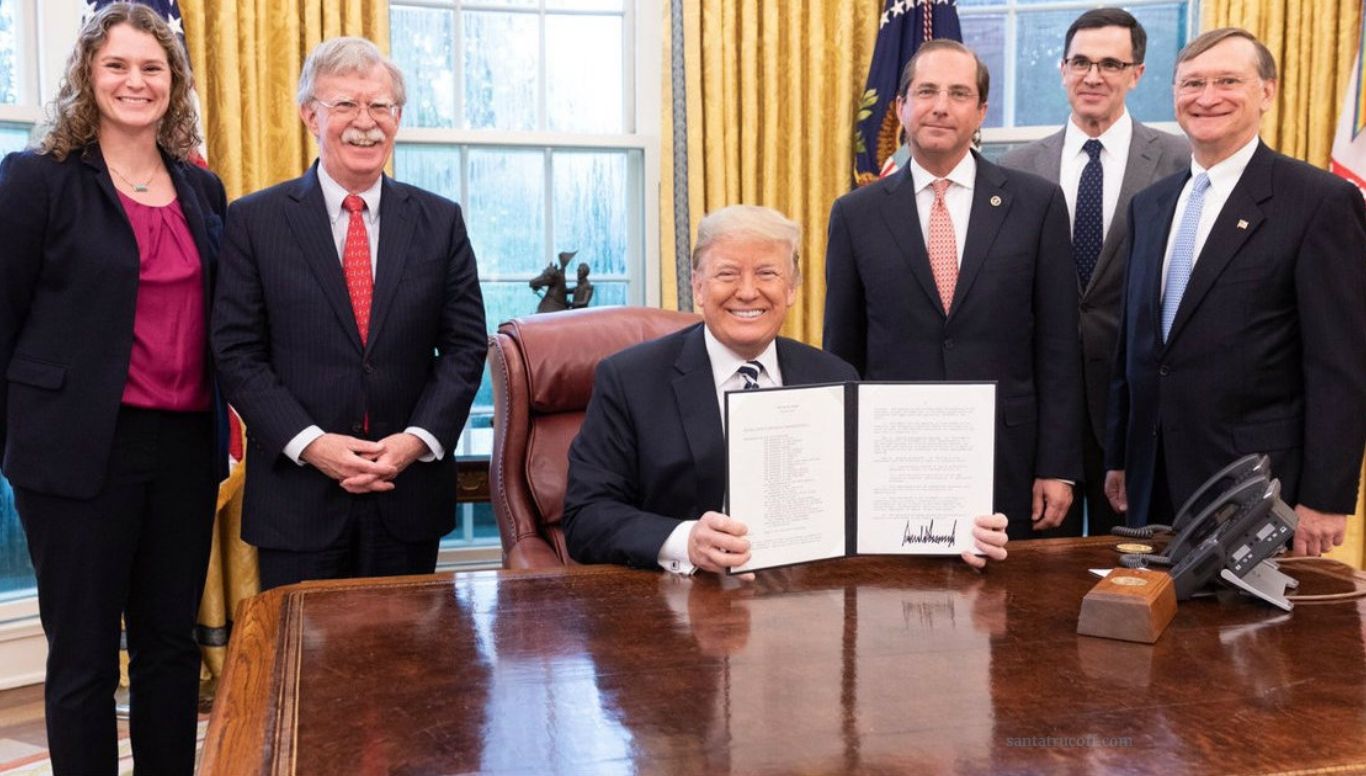
John Bolton is a name synonymous with U.S. foreign policy, international relations, and political controversy. Known for his hawkish views and assertive approach to diplomacy, Bolton has been a prominent figure in American politics for decades. This article delves into his career, political ideology, influence on U.S. foreign policy, and the controversies that have shaped his public persona.
Early Life and Education of John Bolton
John Robert Bolton was born on November 20, 1948, in Baltimore, Maryland. His upbringing in a middle-class family shaped his early interest in law, politics, and international affairs. Bolton pursued higher education at Yale University, where he earned his Bachelor’s degree in history in 1970. He continued his studies at Yale Law School, obtaining a Juris Doctor degree in 1974.Bolton’s education laid the foundation for his career in law and government service, providing him with the analytical skills required for complex international negotiations and legal challenges in diplomacy.
Early Career and Entry into Politics
After completing law school, Bolton began his career in government service. He initially served as a trial attorney in the U.S. Justice Department, where he gained experience in legal analysis and public administration. His expertise in law and government quickly propelled him into political circles.
In the 1980s, Bolton joined the Reagan administration, holding several key positions including Assistant Secretary of State for International Organization Affairs. Here, he began to cultivate a reputation as a formidable and outspoken diplomat who would later become known for his hawkish stances on foreign policy.
John Bolton’s Ideology: A Hawk in American Diplomacy
John Bolton is widely recognized for his neoconservative foreign policy ideology, which emphasizes strong military action, American exceptionalism, and skepticism toward international organizations like the United Nations.
Bolton has consistently advocated for:
- Preemptive military action against perceived threats
- Reducing reliance on international bodies
- Promoting democracy through assertive U.S. leadership
This ideological framework has often placed him at odds with more moderate or diplomatic approaches to international conflicts.
Key Positions Held by John Bolton
Bolton’s career in public service spans several decades, marked by high-profile appointments:
- U.S. Ambassador to the United Nations (2005–2006)
Appointed by President George W. Bush, Bolton served as U.S. Ambassador to the UN, where he was known for his critical stance toward the UN and its inefficiencies. His tenure was controversial, with critics labeling him confrontational, while supporters praised his commitment to U.S. national interests. - National Security Advisor (2018–2019)
Under President Donald Trump, Bolton served as National Security Advisor. In this role, he influenced U.S. policy on North Korea, Iran, and Venezuela, often advocating for hardline strategies. His tenure ended amid disagreements over foreign policy approaches, reflecting his uncompromising style. - Deputy Secretary of State (Under George W. Bush)
Bolton also served as Deputy Secretary of State, further solidifying his reputation as a staunch defender of American power and interests on the global stage.
John Bolton’s Influence on U.S. Foreign Policy
Bolton’s influence on U.S. foreign policy cannot be understated. His advocacy for preemptive military action and skepticism of multilateral institutions has shaped American policy debates, particularly regarding:
- Iraq War and Middle East policy: Bolton supported the 2003 invasion of Iraq and has advocated for strong measures against regimes he views as threats, including Iran and North Korea.
- United Nations skepticism: He has argued that the UN often undermines U.S. sovereignty and national security.
- Sanctions and diplomatic pressure: Bolton has consistently championed the use of economic sanctions as a tool for international leverage.
Controversies Surrounding John Bolton
Bolton’s career has been marked by controversy and debate, often making headlines for his hardline views and outspoken criticism. Some notable controversies include:
- Resignation from UN Ambassador role: His tenure at the UN ended amid tensions with allies and criticisms of his confrontational style.
- Criticism of Trump administration: Despite being a Trump appointee, Bolton publicly criticized the president’s foreign policy decisions after leaving office, particularly regarding North Korea negotiations.
- Publications and memoirs: Bolton’s book, The Room Where It Happened, revealed behind-the-scenes discussions in the Trump administration, sparking political debate and legal scrutiny.
John Bolton’s Publications and Media Presence
Bolton has authored several books and articles on U.S. foreign policy, sharing insights into international relations and national security. His memoir, The Room Where It Happened, became a bestseller and provided an unfiltered look at his time in the Trump administration.
He is also a frequent commentator on news outlets, where he offers analysis on global security issues, reflecting his enduring influence in shaping public discourse on foreign policy.
Criticism and Support: A Polarizing Figure
John Bolton’s career is polarizing, with strong supporters and equally vocal critics:
- Supporters praise his principled, unwavering stance on defending U.S. interests and confronting global threats head-on.
- Critics argue that his approach is overly aggressive, risks international isolation, and undermines diplomatic solutions.
This duality makes Bolton a central figure in debates over the balance between diplomacy and military intervention in U.S. foreign policy.
John Bolton Today
Even after leaving government service, John Bolton remains an influential voice in American politics. He continues to advise, write, and comment on issues related to:
- International security
- U.S. defense policy
- Global diplomacy challenges
His perspectives are frequently cited by policymakers, media outlets, and scholars seeking insight into realist approaches to foreign affairs.
Frequently Asked Questions
Who is John Bolton?
John Bolton is an American attorney, diplomat, and political commentator known for his hawkish views on U.S. foreign policy. He has served as the U.S. Ambassador to the United Nations and as National Security Advisor under President Donald Trump.
What is John Bolton known for?
He is best known for his strong pro-American foreign policy stances, advocacy for preemptive military action, and criticism of international organizations like the United Nations.
Has John Bolton written any books?
Yes, John Bolton has authored multiple books, including his memoir The Room Where It Happened, which details his time in the Trump administration and his perspective on U.S. foreign policy.
Why is John Bolton considered controversial?
Bolton’s career is marked by controversy due to his confrontational diplomatic style, hawkish policies, and criticism of both allies and presidents. His public statements and memoirs have often sparked political debates.
What is John Bolton’s political ideology?
Bolton is generally considered a neoconservative. He favors strong military action, American exceptionalism, and skepticism toward multilateral institutions like the UN.
Conclusion
John Bolton’s career embodies the complexities of modern American diplomacy. A lawyer, diplomat, author, and advisor, Bolton’s hawkish philosophy and willingness to confront international challenges head-on have left an indelible mark on U.S. foreign policy. While his methods and views remain controversial, his influence on debates surrounding national security, international law, and U.S. global leadership is undeniable.Bolton’s story is a testament to the impact that a single, determined public servant can have on shaping a nation’s approach to international relations. Whether admired or criticized, John Bolton remains a defining figure in contemporary American politics.
