

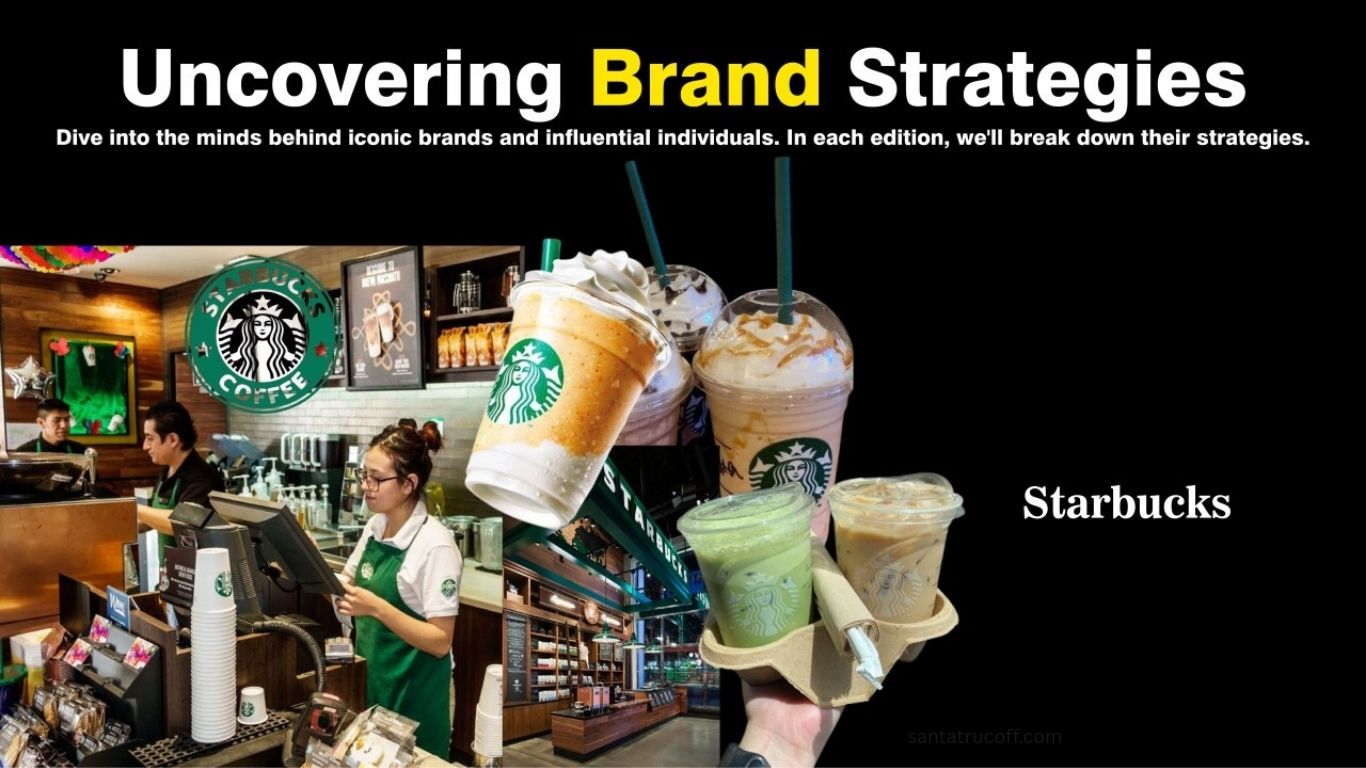
Starbucks is not just a coffee company—it is a global lifestyle brand that has redefined how people experience coffee. From a single store in Seattle to more than 35,000 locations worldwide, Starbucks has successfully transformed a simple beverage into a symbol of comfort, community, and modern living. Its journey is a masterclass in branding, customer experience, and strategic global expansion.This article explores how Starbucks built a global lifestyle brand, examining its origins, brand philosophy, marketing strategies, customer-centric approach, and the key factors behind its worldwide success.
The Origins of Starbucks: A Humble Beginning
Starbucks was founded in 1971 in Seattle, Washington, by Jerry Baldwin, Zev Siegl, and Gordon Bowker. Initially, the company sold high-quality coffee beans and brewing equipment rather than prepared drinks.
The turning point came in 1983, when Howard Schultz joined the company and later became CEO. Inspired by Italian espresso bars during a trip to Milan, Schultz envisioned Starbucks as a “third place”—not home and not work, but a welcoming space where people could relax, connect, and enjoy premium coffee.This vision laid the foundation for Starbucks’ transformation from a coffee retailer into a global lifestyle brand.
The Starbucks Brand Philosophy: Selling an Experience
The “Third Place” Concept
One of the most important elements of Starbucks’ success is its “third place” philosophy. Starbucks stores are designed to be warm, comfortable, and inviting, encouraging customers to linger rather than just grab a coffee and leave.
Key features include:
- Cozy seating and ambient lighting
- Free Wi-Fi
- Friendly baristas trained to personalize service
- Consistent store design across locations
This focus on experience, rather than just the product, helped Starbucks stand out in a crowded market.
Emotional Branding
Starbucks does not merely sell coffee—it sells feelings and identity. The brand is associated with:
- Creativity and productivity
- Social connection
- Premium yet accessible indulgence
By aligning itself with customers’ lifestyles and aspirations, Starbucks created strong emotional connections that drive brand loyalty.
Product Innovation and Quality Consistency
Premium Coffee and Customization
Starbucks positioned itself as a premium brand by offering high-quality Arabica coffee beans and a wide range of customizable drinks. Customers can personalize:
- Milk type
- Syrups and flavors
- Temperature and sweetness levels
This customization empowers customers and enhances their sense of ownership over the brand experience.
Menu Diversification
Beyond coffee, Starbucks expanded its offerings to include:
- Teas and cold brews
- Seasonal beverages (e.g., Pumpkin Spice Latte)
- Pastries, sandwiches, and snacks
- Plant-based and health-conscious options
Seasonal and limited-edition products create excitement and urgency, driving repeat visits and social media buzz.
Strategic Global Expansion: Thinking Local, Acting Global
Adapting to Local Cultures
One of Starbucks’ most impressive achievements is its ability to scale globally while respecting local tastes and traditions. Instead of a one-size-fits-all approach, Starbucks adapts its menu and store designs to local cultures.
Examples include:
- Matcha-based drinks in Japan
- Red bean pastries in China
- Cardamom-flavored coffee in the Middle East
This localization strategy allows Starbucks to feel familiar and relevant in every market.
Smart Market Entry Strategies
Starbucks often enters new markets through:
- Joint ventures
- Strategic partnerships with local companies
These partnerships help the brand navigate cultural nuances, regulations, and consumer preferences more effectively.
Marketing Strategies That Built a Lifestyle Brand
Minimal Traditional Advertising
Unlike many global brands, Starbucks spends relatively little on traditional advertising. Instead, it relies on:
- Word-of-mouth marketing
- Strong in-store experiences
- Brand storytelling
This approach reinforces authenticity and trust.
Powerful Social Media Presence
Starbucks excels at digital marketing and social media engagement. Its strategies include:
- User-generated content
- Seasonal campaigns that encourage sharing
- Visually appealing product photography
Campaigns like the Red Cup holiday tradition have become cultural events, driving massive online engagement.
Brand Storytelling
Starbucks frequently communicates its values, including:
- Ethical sourcing
- Sustainability
- Community involvement
By telling meaningful stories, the brand strengthens emotional bonds with consumers and enhances its reputation.
Customer Loyalty and Technology Integration
The Starbucks Rewards Program
The Starbucks Rewards program is one of the most successful loyalty programs in the world. It allows customers to:
- Earn stars for purchases
- Redeem rewards for free drinks and food
- Receive personalized offers
This program not only increases repeat purchases but also provides valuable customer data.
Mobile App and Digital Innovation
Starbucks was an early adopter of digital technology in the food and beverage industry. Its mobile app offers:
- Mobile ordering and payment
- Store locator and menu browsing
- Personalized recommendations
The app enhances convenience and strengthens customer loyalty, making Starbucks part of customers’ daily routines.
Sustainability and Corporate Social Responsibility
Ethical Sourcing and Environmental Commitment
Starbucks has invested heavily in sustainability initiatives, including:
- Coffee and Farmer Equity (C.A.F.E.) Practices
- Reducing carbon emissions and waste
- Promoting reusable cups
These efforts appeal to environmentally conscious consumers and reinforce the brand’s values.
Community and Employee Focus
Starbucks refers to its employees as “partners,” emphasizing respect and inclusion. The company offers:
- Competitive benefits
- Educational opportunities
- Diversity and inclusion initiatives
By taking care of employees, Starbucks ensures better customer service and a stronger brand image.
Challenges and Criticism
Despite its success, Starbucks has faced challenges such as:
- Market saturation in certain regions
- Rising competition from local coffee shops
- Criticism over pricing and labor practices
However, the company continues to adapt by streamlining operations, innovating its menu, and reinforcing its brand values.
Key Lessons from Starbucks’ Global Success
Businesses and entrepreneurs can learn several important lessons from Starbucks:
- Sell experiences, not just products
- Build emotional connections with customers
- Adapt globally while respecting local cultures
- Leverage technology to enhance convenience
- Align brand values with social responsibility
These principles have enabled Starbucks to remain relevant and influential for decades.
Frequently Asked Questions
Why is Starbucks considered a global lifestyle brand?
Starbucks is considered a global lifestyle brand because it sells more than coffee—it offers a consistent experience, emotional connection, and sense of community. Through its “third place” concept, personalized service, and strong brand identity, Starbucks has become part of customers’ daily lives worldwide.
What is the Starbucks “third place” concept?
The “third place” concept refers to Starbucks’ vision of creating a space that is neither home nor work. Starbucks stores are designed to be comfortable and welcoming environments where people can relax, socialize, or work while enjoying coffee.
How did Starbucks grow into a global brand?
Starbucks grew globally through strategic expansion, strong brand consistency, and localization. The company adapted its menu to local cultures, partnered with regional businesses, and maintained a high-quality customer experience across international markets.
What makes Starbucks’ branding strategy successful?
Starbucks’ branding success comes from emotional storytelling, minimal traditional advertising, premium positioning, and customer-centric experiences. The brand focuses on values such as sustainability, community, and personalization, which resonate strongly with consumers.
How does Starbucks use technology to enhance customer experience?
Starbucks uses technology through its mobile app and rewards program, offering mobile ordering, digital payments, personalized promotions, and loyalty rewards. This seamless digital integration improves convenience and encourages repeat visits.
Conclusion
Starbucks’ journey from a small coffee shop to a global lifestyle brand is a testament to the power of vision, consistency, and customer-centric innovation. By focusing on experience, emotional branding, and cultural adaptability, Starbucks has created more than just a place to buy coffee—it has built a global community.As consumer expectations continue to evolve, Starbucks’ ability to blend tradition with innovation ensures that it will remain a dominant force in the global coffee industry for years to come.
