

A practical guide to checking affordability, comparing options and protecting your finances before you apply
━━━━━━━━━━━━━━━━━━━━━━━━━━━━━━━━━━━━━━━━━━━━━━━━━━━━━━━━━━━━━━━━━━━━━━━━━━━━━━
A difficult credit history can make borrowing feel more complicated, especially when an unexpected bill or essential purchase cannot wait. It can also make people focus on whether an application might be accepted before asking the more important question: whether the repayment plan will still work after the immediate pressure has passed.
A safer approach starts with a short pause. Work out what the money is for, how much is genuinely needed and what the full cost would mean for the household budget. That process does not guarantee approval, but it can reduce rushed decisions and make it easier to reject an option that creates a larger problem later.
Start with the reason for borrowing
Write down the specific expense rather than starting with a preferred loan amount. A repair that protects a home, a necessary replacement item or a time-sensitive bill may require a different solution from discretionary spending. If the purchase can be delayed, compare the cost of waiting and saving with the cost of borrowing. If it cannot, separate the essential amount from extras that could be postponed.
It is also worth checking whether another route is available. A payment arrangement, employer advance, local support scheme or help from a regulated advice service may be more suitable than taking on new credit. The aim is not to avoid borrowing at any cost; it is to make sure the chosen solution matches the problem.
Build a realistic affordability picture
Use take-home income and actual recent spending, not an optimistic estimate. List rent or mortgage payments, council tax, utilities, food, transport, insurance, existing credit commitments and regular family costs. Then allow room for irregular expenses such as school costs, repairs, annual bills and medical or travel needs. A repayment that fits only in a perfect month is not an affordable repayment.
| Question to answer | What to record before applying |
| How much is needed? | The essential cost, with optional spending removed. |
| What can be repaid? | A monthly amount that remains manageable after priority bills. |
| What could change? | Possible drops in income or rises in household costs. |
| What is the total cost? | Interest, fees, repayment term and the final amount repaid. |
A budget should include a buffer for ordinary uncertainty. If the calculation leaves no room for a higher energy bill, a slower month at work or a household repair, the proposed repayment is probably too demanding. That is a reason to reduce the amount, extend the planning period or seek advice before applying.
Check your credit file before making applications
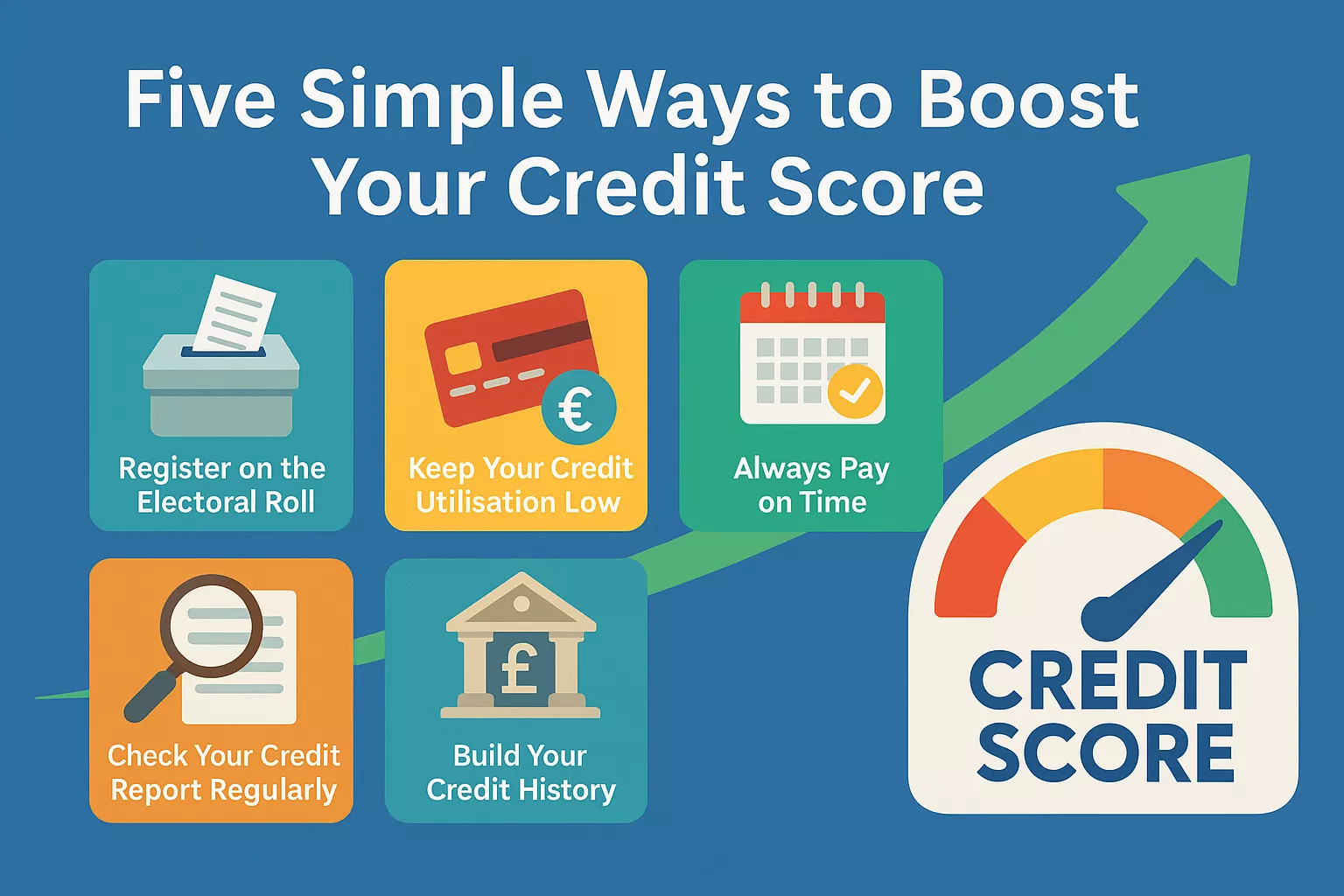
A credit score is only one part of a lender’s decision, and different organisations use different information. Before applying, check your credit reports for incorrect addresses, accounts you do not recognise, missed payments recorded in error or links to another person that should no longer be present. Correcting an error will not erase accurate negative information, but it can prevent a mistake from influencing a decision.
The free MoneyHelper guidance on improving your credit score explains how to review a credit report, deal with inaccuracies and use eligibility tools before making a full application.
Avoid making several full applications close together. Hard searches can appear on a credit file, and a series of applications may suggest that a person is relying heavily on new borrowing. An eligibility check or soft-search option, where available, can provide an initial indication without creating the same record as a full application.
Compare the whole agreement, not just the headline rate
A low advertised rate may not be the rate offered to every applicant. Compare the representative APR, the amount borrowed, the total amount repayable, the term, the repayment date and any fees. A longer term can reduce the monthly figure while increasing the overall cost. A shorter term may cost less in total but produce a repayment that is harder to maintain.
For an independent explanation of the main borrowing choices and consumer protections, the Citizens Advice borrowing-money guide covers topics such as comparing credit deals, understanding how lenders assess applications and what to consider before signing an agreement.
If the available options are expensive, pause before assuming that acceptance is the same as affordability. A lender’s decision reflects its own criteria; it does not replace a household budget. Ask what happens if a payment is late, whether the rate is fixed or variable and whether early repayment carries a charge.
Use bad-credit borrowing as part of a wider plan
Where mainstream options are unavailable, some people search for loans for bad credit. If that is the route being considered, the application should still be based on a clear budget, a verified lender and a repayment amount that leaves room for essentials. Avoid any provider that asks for an upfront fee before releasing funds, guarantees approval without checking circumstances or pressures you to decide immediately.
Read the agreement in full and keep a copy of the payment schedule. Set a reminder or Direct Debit only after checking that the chosen date matches when income arrives. If a payment may be missed, contact the lender early rather than waiting for charges or collection activity to build. Early communication cannot remove the debt, but it can make the available options clearer.
Protect the next month as carefully as this one
Before committing, test the plan against a modest setback. Could the repayment still be made after a £100 repair, a reduced shift pattern or an annual bill arriving early? If the answer is no, the borrowing decision needs more work. It may be better to borrow less, delay the purchase, combine the application with a payment arrangement or seek free debt advice.
A careful borrowing plan will not change a credit history overnight. It can, however, keep one urgent expense from becoming a chain of missed payments and further applications. Start with the need, check the budget, compare the full agreement and leave enough room for real life. Those steps make the decision clearer, whatever the lender ultimately says.
